What to eat during the Menopause

By Hannah Hope - nutritionist
September 26th, 2023
Diet and lifestyle are incredibly important during the menopausal transition years. In this period your body needs extra support and nutrients as it works hard to keep you on an even keel.
Of most importance would be to include a source of protein in every meal. Protein is the building block of your hormones, helps to repair your body and will keep you feeling fuller, so that you are less likely to reach for sugary snacks that will spike your blood sugar. These spikes create stress in the body and the sugar creates an extra burden for your liver which is working hard in the Menopause. Protein can be found in the form of meat, dairy, eggs, fish, legumes, nuts, quinoa, and protein powder, aim for between 1-1.3g per kg of bodyweight.
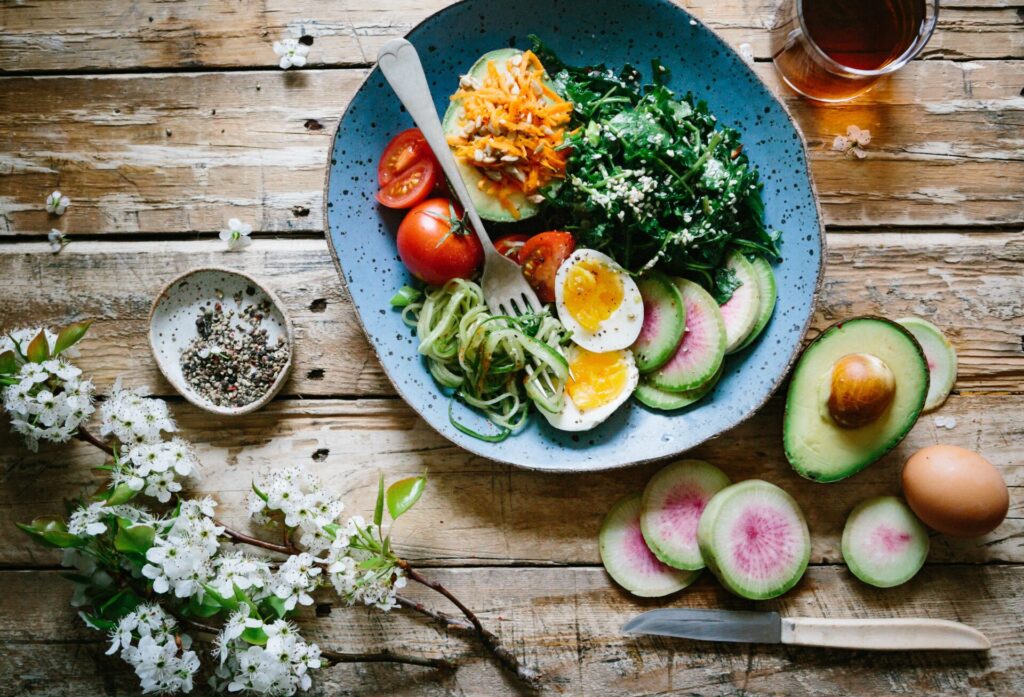
Daily intake of fibre is also important as this will help to lower cholesterol, feed gut bacteria, and help to detoxify used hormones. 30g of fibre a day is recommended in the UK, you can find good levels of fibre in avocados, raspberries, beans, wholegrains such as brown rice and other fruits and vegetables.
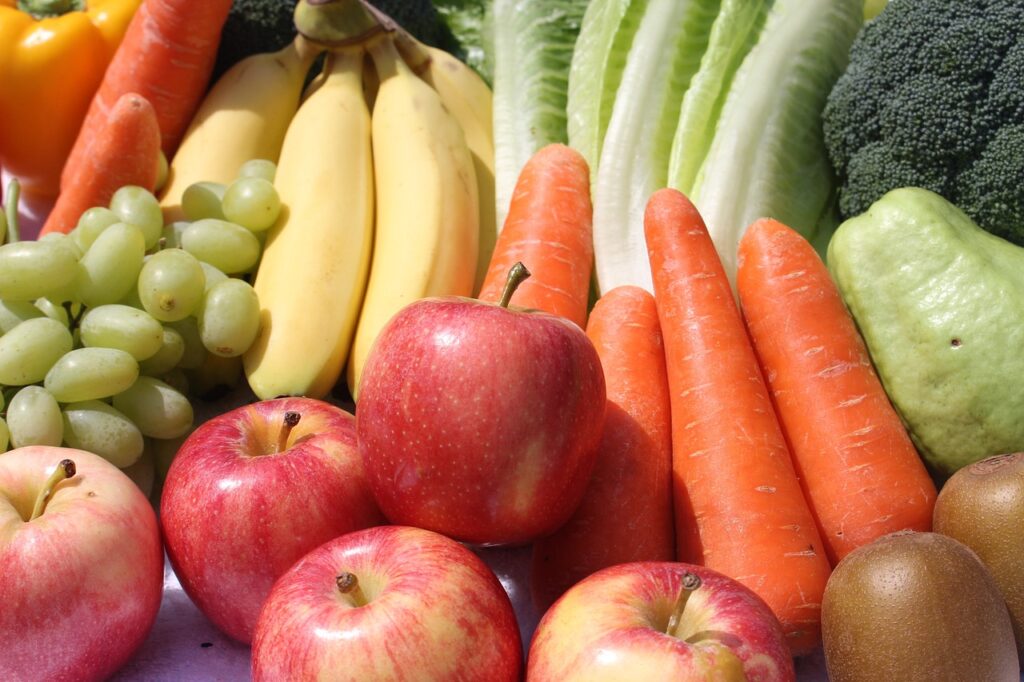
2-3 portions of different fruits and vegetables per meal will keep your gut happy
Eating a diverse and colourful range of plants will help to provide the array of anti-inflammatory, antioxidant and polyphenol nutrients required to support women during this time. Having at least 2-3 portions of different fruits and vegetables per meal will keep your gut happy and provide your body with a variety of vitamins and minerals that could help any symptoms you may have.
Bone health and reducing the risk of osteoporosis is important, including sources of calcium and vitamin D in your diet will help to reduce this risk. Dairy, Oily fish (e.g., Salmon, Sardines), Eggs, seeds, nuts, and leafy green vegetables will help you reach your daily required intake (approx. 1200mg/D).
Omega 3 and B vitamins can help with brain function, energy and anxiety, Vitamin C may reduce stress and support immune health and reducing alcohol and caffeine can help with vasomotor symptoms like hot flushes.
Overall, having a balanced diet with protein, complex carbohydrates, healthy fats and a variety of fruits and vegetables, whilst reducing processed foods, sugar, and high salt foods may help to make this journey a positive experience.
Hannah Hope
DipNT, mBANT, mCNHC
About Hannah
Hannah is a clinically trained nutritionist specialising in Women’s Hormones. She helps women suffering with the various symptoms of perimenopause and menopause and other hormonal symptoms to feel amazing again by rebalancing their hormones, re-energising their bodies and reinvigorating their wellness.
Hannah works with women who feel overwhelmed by tiredness, irritability, brain fog, low energy, low libido, weight gain and bloatedness. She works with them to regain their spark and feel excited about the future.